


More Than Just Play: The Benefits of Exploratory Play
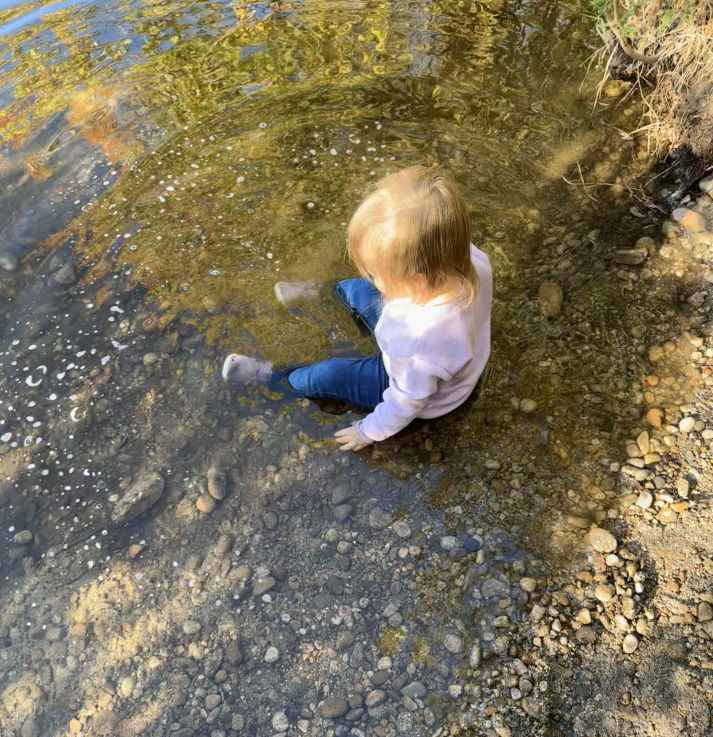
Exploratory play gives children the freedom to touch, test, experiment, make mistakes, and discover things at their own pace. It may look like “just playing,” but behind the scenes, little minds are building problem-solving skills, creativity, confidence, independence, and a deeper understanding of the world around them.
Sometimes the best learning happens when we step back, let them get curious, and simply let them explore.
Here are some of the amazing benefits to exploratory play:

1. Enhances Sensory Processing and Perception
Toddlers learn best through their senses, and exploratory play provides rich sensory experiences that help them interpret and make sense of the world around them. By touching, tasting, smelling, and moving objects, they begin to understand different textures, shapes, sounds, and even cause-and-effect relationships.
2. Builds Problem-Solving Skills and Cognitive Development
Through activities like stacking, knocking things over, sorting, or manipulating objects, toddlers learn fundamental concepts, like object permanence, spatial relationships, and causality. This hands-on experimentation is critical to developing problem-solving skills and early cognitive understanding.
3. Encourages Independence and Self-Confidence
Toddlers are naturally curious, and exploratory play allows them to take the lead, make their own choices, and achieve small successes. Each time they discover something new or master a skill, it boosts their confidence and encourages them to take on new challenges.
4. Supports Emotional Regulation
Exploratory play can expose toddlers to emotions like excitement, frustration, or joy, depending on the outcomes of their experiments. This helps them learn emotional regulation and resilience as they navigate these feelings in a safe environment, building their capacity to manage emotions in future situations.
5. Promotes Fine and Gross Motor Skill Development
Manipulating small objects, crawling, climbing, and exploring their physical environment develops toddlers’ fine and gross motor skills. These motor skills are essential not only for physical coordination but also for tasks like writing, drawing, and self-care as they grow.
6. Stimulates Language and Communication
When exploring, toddlers often talk to themselves, narrate their actions, or ask questions, which enhances their language skills. Interactive play with caregivers or other children provides opportunities to practice new words, follow instructions, and engage in simple conversations, building early communication skills.
7. Promotes Social Skills and Cooperative Play
While exploratory play is often individual, when toddlers engage in play with others, they begin to learn about sharing, turn-taking, and empathy. This foundational social interaction is essential for developing cooperation, empathy, and social awareness.

8. Fosters Creativity and Imagination
Toddlers are naturally imaginative, and exploratory play nurtures this creativity. They
experiment with how different objects function and often invent their own ways of using toys or household items. This unstructured play promotes creative thinking and problem-solving.
At the end of the day, exploratory play doesn’t have to be complicated. Give your child the space to wonder, experiment, make mistakes, and discover. What may look like simple play to us can be a big learning experience for them.

Comments